What to Do in Houston: A Guide to Food, Neighborhoods, Bayous & Innovation
Houston is reimagining itself as a city of bold contrasts: a global energy hub embracing new tech, a culinary capital shaped by cultural diversity, and a sprawling urban playground where green space and waterways are being reclaimed for public life.
Whether you’re visiting or settling in, here’s a guide to what makes Houston an evolving, livable metropolis and how to experience its best features.
Why Houston feels different
– Diversity drives the city: Houston’s neighborhoods reflect immigrant communities from around the world, which shows up in festivals, family-run businesses, and neighborhoods where a single street can offer a dozen cuisines.
– Industry and innovation coexist: The city’s traditional strength in energy and logistics is being paired with clean-tech startups, medical research, and a growing creative economy.
That combination fuels job opportunities and a dynamic urban culture.
– Space and scale: Unlike denser coastal cities, Houston’s layout gives room for large parks, wide streets, and big markets — yet walkable districts and transit investments make urban life more connected than ever.
Top experiences to prioritize
– Eat your way through the city: From Tex-Mex and barbeque to Vietnamese pho, Nigerian stews, and Colombian arepas, dining in Houston is a world tour. Food halls and neighborhood strips make sampling multiple flavors easy in a single outing.
– Explore the Museum District and Theater District: World-class museums, galleries, and performing arts venues concentrate near downtown, offering visual art, music, and theatrical programming on a regular basis.
– Visit the Space and science attractions: Space-focused centers and museums highlight aerospace history and active missions, drawing visitors interested in exploration and STEM education.
– Enjoy the Bayous and parks: Houston’s bayous are undergoing a renaissance as multi-use greenways that connect neighborhoods with trails, parks, and waterfront access. These spaces are perfect for walking, cycling, and outdoor events.
– Stroll neighborhood-by-neighborhood: Areas like the Heights, Montrose, Midtown, and EaDo each have distinct personalities — from historic bungalows and indie shops to mural-filled streets and nightlife.
Practical tips for getting around
– Use the light rail and buses for downtown travel and to avoid parking hassles; ride-hailing services and bike-share systems fill in gaps.
– Plan for driving outside core areas; Houston’s size means public transit coverage varies by neighborhood.
– Check weather and flood advisories when planning outdoor activities; many trails and park features can be impacted by heavy rain, and resilience projects are continually improving infrastructure.
What to watch for as the city evolves
– Green infrastructure: Expect more parks, flood-resilient design, and bayou restorations that emphasize community access and stormwater management.
– Energy transition and tech growth: The city remains a hub for energy, but investment is increasing in renewables, carbon management, and clean-fuel innovation.
– Neighborhood revitalization with care: Redevelopment projects aim to balance growth with affordability and historic preservation, though housing pressures will remain a focus for community leaders.
A few final suggestions
– Try a food market or neighborhood crawl to taste the city’s range in one outing.
– Use public greenways for an active introduction to Houston’s outdoor life.
– Visit cultural institutions during off-peak hours to enjoy quieter experiences.
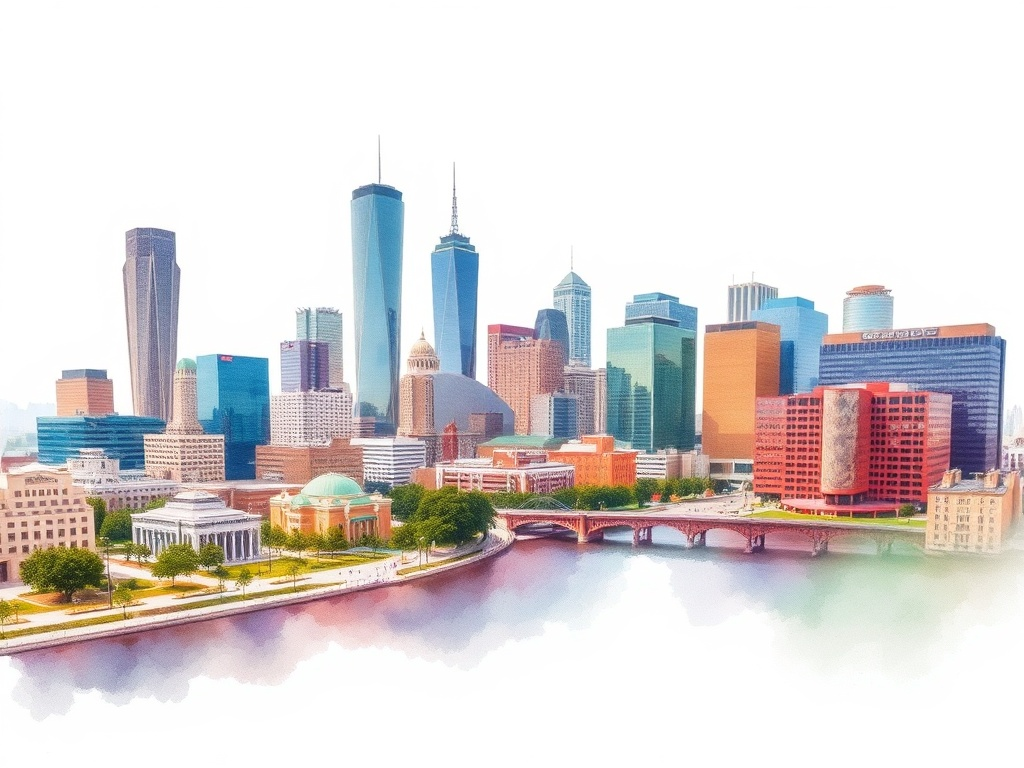
Houston offers an uncommon mix of big-city amenities, multicultural neighborhoods, and evolving green and tech-forward initiatives. For visitors and residents alike, the city rewards curiosity and exploration with discoveries around every corner.