Ultimate Houston Guide: Neighborhoods, Food, Parks & Energy Innovation
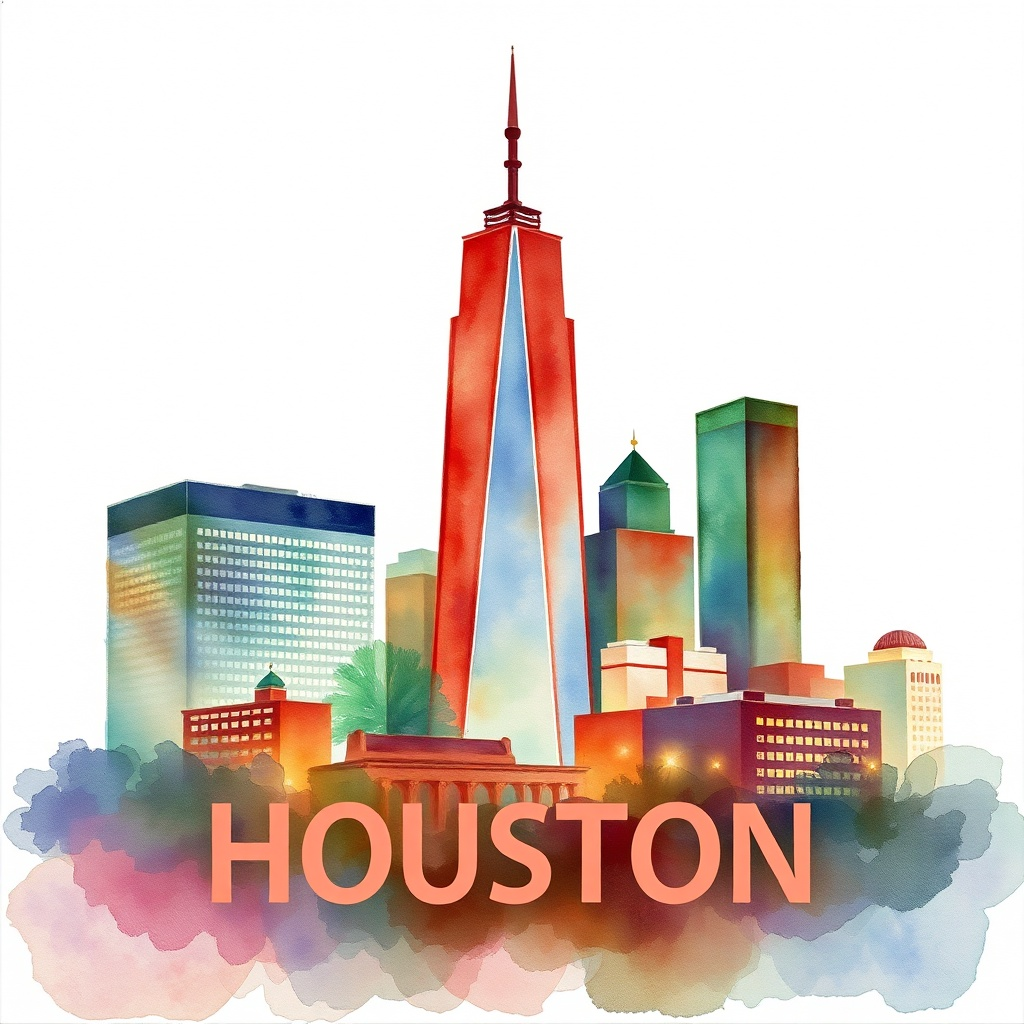
Houston is a city of contrasts: sprawling and walkable, industrious and artistic, rooted in oil and pushing hard into cleaner energy. Its scale can be surprising — vast neighborhoods, a booming port, a world-class medical center, a major space complex, and a dining scene that rivals any large metropolis. For newcomers and regulars alike, Houston offers a mix of big-city amenities and unexpected discoveries.
What drives the city
Energy remains a central pillar, but the local economy is increasingly diversified.
The region is a hub for energy innovation, with companies and research institutions investing in cleaner fuels, carbon management, and grid technologies. Life sciences and biotech cluster around the massive medical center, attracting clinicians, researchers, and startups.
The presence of a major spaceflight complex continues to shape a thriving aerospace and commercial space ecosystem.
Culture, arts and green space
Houston’s cultural footprint is large and eclectic. The Theater District hosts resident companies across opera, ballet and symphony.
Museums range from encyclopedic collections to small contemporary galleries; several major museums maintain free or low-cost days that make culture broadly accessible. Public art, murals and a growing street-art scene add color to neighborhoods.
Outdoor lovers find relief on miles of bayou trails and parks. Buffalo Bayou Park offers skyline views, paddling opportunities and event space. The city’s bayou greenway and urban greening programs have expanded trails and parks, promoting walking, cycling and flood resilience at the same time.
Food and neighborhoods
Houston’s dining reputation is one of its best-kept secrets: a genuine melting pot of regional and international cuisines. From classic Texas barbecue and Tex-Mex to Vietnamese, Nigerian, Salvadoran, and fine dining, the restaurant scene is both deep and experimental. Neighborhoods each offer a different vibe:
– Montrose: artsy, eclectic nightlife and independent boutiques.
– Heights: tree-lined streets, local shops and a small-town feel.
– Midtown: restaurants and bars popular with night crowds.
– Museum District and Rice Village: cultural attractions and campus-town energy.
– Uptown/Galleria: shopping and high-rise hotels.
Practical tips for visiting or moving
– Traffic is common; build extra time into commutes and consider public transit where convenient. Light rail and bus rapid transit serve multiple corridors, while ride-sharing is widely available.
– Houston is hot and humid much of the year; plan outdoor activities for mornings or cooler days and bring sun protection.
– Parking rules vary by neighborhood — downtown and tourist areas often charge meters or fees.
– Explore neighborhoods on foot or by bike where possible; many smaller commercial corridors are surprisingly walkable.
Highlights worth checking out
– Wide-ranging museum offerings and a vibrant theater district
– Buffalo Bayou Park and miles of connected trails
– A globally influenced restaurant scene with standout casual and fine-dining options
– A strong healthcare and research cluster that fuels innovation
– Port and industrial areas that support international trade and logistics
Why this city matters
Houston is a working, creative, and increasingly sustainable metropolis. It blends industrial strength with cultural richness and is actively adapting infrastructure, energy and public spaces to meet modern challenges.
Whether you’re passing through for work, exploring a weekend itinerary, or considering a longer stay, Houston rewards curiosity with a diversity of experiences and a surprising number of local treasures.