Ultimate Houston Guide: Neighborhoods, Food, Attractions & Practical Tips
Houston blends big-city energy with a welcoming, neighborhood feel — a sprawling metropolis known for cultural diversity, thriving industries, and a food scene that draws visitors from near and far. Whether planning a weekend visit or exploring everyday life, here’s what makes Houston stand out and practical tips for getting the most from the city.
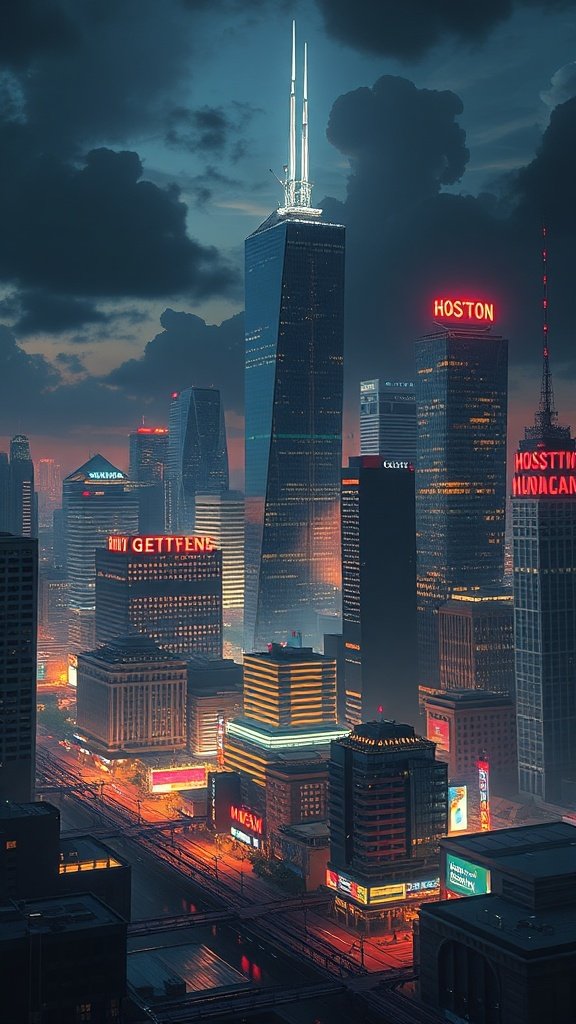
Why people come to Houston
– Space Center Houston and the nearby Johnson space facilities offer a rare chance to connect with human spaceflight history and ongoing missions.
– The Texas Medical Center is one of the largest medical and research complexes globally, attracting patients, professionals, and life-science startups.
– A major port and an energy hub keep the economy robust, while a growing tech and innovation scene adds new momentum.
Neighborhoods with distinct personalities
Houston’s neighborhoods are diverse. Midtown and the Museum District appeal to arts and nightlife lovers. Montrose stays eclectic and LGBTQ+ friendly, with independent shops and coffeehouses.
The Heights offers tree-lined streets, boutiques, and bungalow architecture.
For waterfront living and bayou access, areas like River Oaks and Upper Kirby are popular. Each neighborhood brings its own dining, shopping, and outdoor options, so choose where to stay or explore based on the vibe desired.
Food that reflects the city’s diversity
Houston’s culinary reputation is earned: authentic Tex-Mex and barbecue sit alongside Vietnamese pho, Nigerian jollof, Salvadoran pupusas, and modern fine-dining concepts. Food halls and farmers markets make it easy to sample many cuisines in one visit. Brunch and late-night tacos are local rituals, and food truck clusters provide budget-friendly, high-quality choices.
Culture, arts, and green spaces
The Museum District concentrates world-class institutions within walking distance, from art and natural history museums to performance halls.
Street art and independent galleries thrive in several neighborhoods, and a full-season calendar of festivals celebrates music, film, and cultural heritage.
Outdoor options are abundant despite a subtropical climate. Buffalo Bayou Park offers trails, canoeing, and skyline views. Hermann Park combines gardens and a large greenbelt with family-friendly attractions. Expansions of bike lanes and pedestrian-friendly projects improve city mobility and make urban exploration easier.
Sports and entertainment
Professional sports, live music venues, and theatrical productions ensure nightly entertainment options.
From large arenas to intimate clubs, the city supports both major events and local creative communities.
Practical tips for visiting or living
– Expect warm, humid weather for much of the year; lightweight clothes and sun protection are essential.
Thunderstorms and occasional tropical systems can bring heavy rain — plan accordingly.
– Driving is the most convenient way to travel across the city; allow extra time for peak traffic. Public transit improvements and rideshare options provide alternatives for downtown areas.
– Choose accommodations based on the neighborhoods you plan to explore to minimize commute times.
– Make reservations at popular restaurants and check museum hours — many offer extended or late-night programs.
Houston’s appeal lies in its contrasts: a large, economically powerful city that still rewards curiosity and neighborhood exploration.
For visitors, it’s a place to taste global flavors, experience pioneering institutions, and enjoy outdoor urban life. For residents, it offers opportunity, cultural richness, and a constantly evolving urban fabric to discover.