Top pick: Houston’s Green Transformation: A Guide to Parks, Bayou Trails, and Outdoor Recreation
Houston’s green transformation is reshaping how locals and visitors experience the city. Once known mainly for its sprawling urban footprint, Houston is now recognized for an expanding network of parks, bayou trails, and green infrastructure that connects neighborhoods, improves storm resilience, and offers more outdoor recreation.
Why Houston’s parks matter
– Climate resilience: Green spaces and restored bayous act as natural flood buffers and reduce stormwater runoff with bioswales, detention basins, and native plantings.
– Public health: Expanded trails and shade trees encourage walking, biking, and outdoor fitness, helping counteract urban heat and sedentary lifestyles.
– Economic and social benefits: Parks boost nearby property values, support small businesses, and create community gathering places for festivals, art, and cultural events.
Where to go
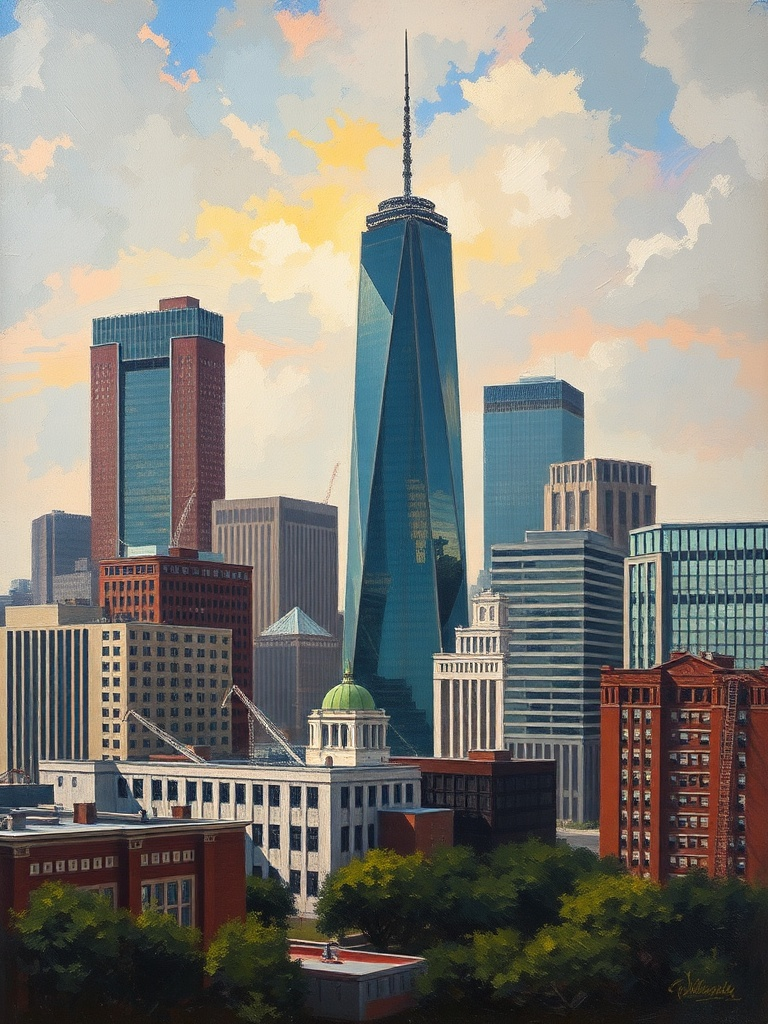
– Buffalo Bayou and adjacent trails offer a central spine for walking, running, paddling, and public art. The skyline views from various points make it a popular spot for photography and sunset strolls.
– White Oak and other bayou trails connect residential neighborhoods to commercial corridors, making bike commutes realistic for more people.
– Downtown parks like Discovery Green and Hermann Park host regular programming — from fitness classes to family-friendly performances — and serve as green anchors amid dense development.
– Neighborhood greens such as Emancipation Park and smaller pocket parks highlight Houston’s cultural diversity and local history while providing important community services.
What’s changing
Recent projects emphasize connectivity and multifunctional design. Trail expansions link disparate neighborhoods, turning what were once isolated green pockets into a cohesive network. City and nonprofit partnerships are prioritizing native plant species, pollinator corridors, and tree canopy expansion to lower temperatures and support biodiversity. Adaptive floodplain strategies integrate detention and recreation so parks can store water during storms while remaining usable the rest of the time.
How to enjoy Houston’s outdoor scene
– Plan for heat and sun: Shade and hydration are essential.
Morning and evening are the most comfortable times for extended activity.
– Mix activities: Paddle the bayous, bike longer greenway stretches, or join yoga and fitness classes often held in public parks.
– Use shared mobility: Bike-share and scooter options extend the reach of trails and make park-hopping easier without a car.
– Support local businesses: Many trails pass independent cafes, food trucks, and farmers markets—great for an after-ride meal or snack.
Community-driven initiatives
Neighborhood groups and volunteer coalitions are central to maintenance and programming. Tree-planting days, community garden workshops, and cleanup events are common ways residents invest in their parks. These grassroots efforts not only improve local green space but also build social capital and neighborhood pride.
Challenges and priorities
Heat, equitable access, and long-term maintenance remain top priorities. Expanding shade cover, ensuring underserved neighborhoods receive equal investment, and funding ongoing upkeep are key challenges that city planners and community leaders continue to address through creative funding and policy strategies.
Why it matters for visitors and residents
Houston’s evolving park network is more than aesthetic improvement — it’s an essential piece of urban resilience and quality of life. Whether you’re exploring a waterfront trail, enjoying a concert in a downtown park, or joining a volunteer planting event, the city’s green spaces invite discovery and connection across cultures and neighborhoods. Embracing these outdoor assets makes daily life healthier, more sustainable, and more enjoyable for everyone.