Reimagining Houston’s Bayous: Greenways, Stormwater Solutions, and Community Parks
Houston’s bayous are more than waterways — they are the backbone of a large-scale effort to make the city greener, healthier, and more resilient. Over recent years, civic leaders, landscape architects, and neighborhood groups have pushed a transformation that blends recreation, stormwater management, and urban development into one interconnected vision.
The heart of this movement is a network of parks and trails that follows the city’s bayous, converting underused corridors into vibrant public space. These greenways knit neighborhoods together, creating safe routes for walking and biking while providing continuous natural habitat through an urban landscape. For residents, that means easier commutes by bike, more options for weekend recreation, and expanded access to nature without leaving the city.
Beyond recreation, the environmental benefits are significant.
Naturalized bayou banks, restored wetlands, and native plantings slow and absorb stormwater, reducing pressure on drainage systems during heavy rain events. Incorporating stormwater detention areas and permeable surfaces helps manage runoff where concrete and asphalt would otherwise send water straight into storm drains. This nature-based approach complements engineered solutions and often delivers more community value for the investment.
Economic and social returns are just as compelling. Parks and trails spur local business activity, increase foot traffic for cafes and shops, and can lift property values near improved green space. They also offer inclusive public amenities: playgrounds, kayak launches, and community gardens create programming that benefits people of all ages and backgrounds.
Volunteer cleanups, educational programming, and public art along the bayous deepen civic engagement and give neighborhoods a sense of ownership.
Design plays a critical role in making these spaces resilient and welcoming. Landscape architects prioritize native species to support pollinators and reduce maintenance needs. Living shoreline techniques stabilize banks while creating habitat for fish and birds. Multi-use trails are engineered with durable materials and thoughtful elevation to stay usable through seasonal weather swings.
Amenities like shade structures, seating, and lighting make trails comfortable and safe for longer hours.
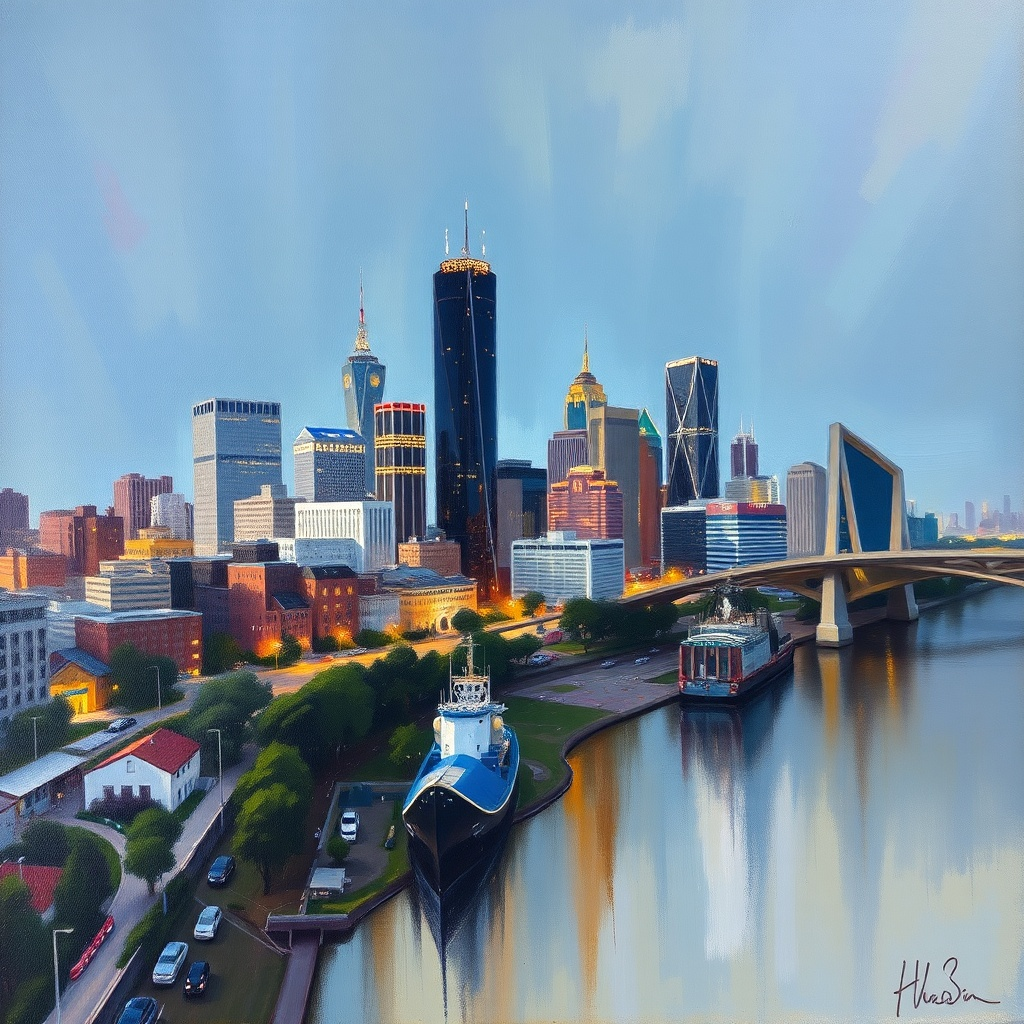
Connectivity remains a central challenge and opportunity. Extending trail networks to link major parks, transit hubs, and commercial districts turns greenways into viable transportation corridors, not just recreational routes.
Collaboration between city agencies, non-profits, and private partners is essential to close gaps and maintain continuous access. Funding strategies often blend public investment, philanthropic grants, and private development contributions to stretch resources further.
For visitors and longtime residents alike, the bayou revitalization creates new ways to experience Houston.
Paddle a slow-moving stretch at sunrise, join a guided ecology walk, or bike between neighborhoods on a shaded trail — each activity reveals a different facet of the city’s urban nature. Local restaurants and markets clustered near greenway access points make it easy to build a day around outdoor exploration.
Staying involved helps ensure these spaces thrive. Support can take many forms: volunteer for a cleanup, advocate for greenway funding at community meetings, or simply use the trails and parks regularly. Healthy, connected bayous enhance quality of life and fortify the city against extreme weather, making them one of the most practical and inspiring investments in urban livability.
Whether the goal is exercise, wildlife viewing, commuting, or community building, Houston’s bayou network is a living example of how urban design and ecology can work together to create resilient public space that serves everyone.