Houston’s Green Transformation: How Bayous, Parks and Tree Canopies Are Building Urban Resilience
Houston’s green transformation is reshaping how residents experience the city — from restored bayous and expanded trail networks to new community gardens and heat-mitigating tree canopies. As Houston balances rapid growth with climate challenges, green infrastructure and park investments are becoming essential for livability, public health, and resilience.
What’s driving the shift
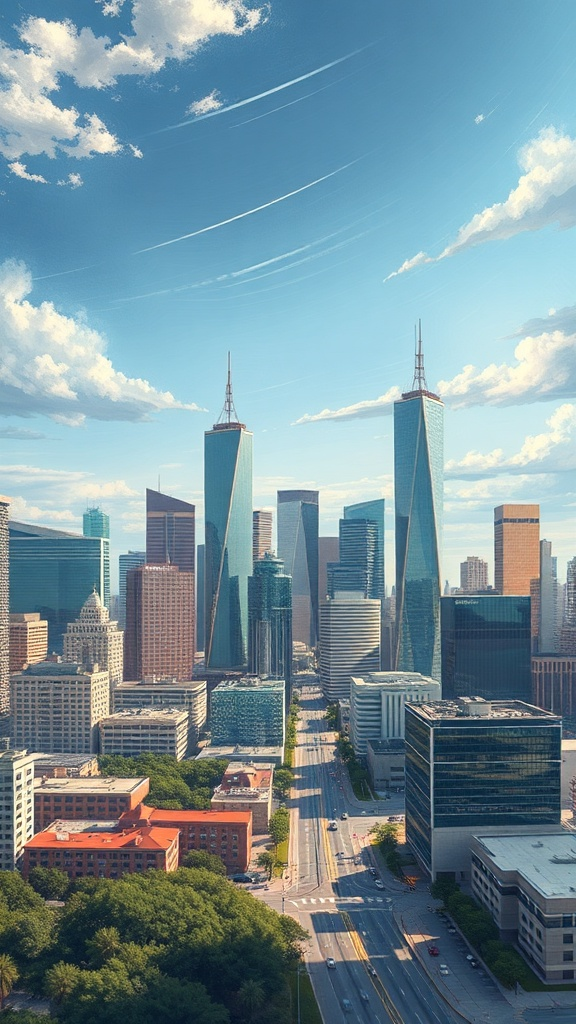
Urban planners, community groups, and private partners are working together to reduce flooding risk, cool neighborhoods, and create pedestrian-friendly corridors. Projects that restore natural waterways, add greenway trails, and retrofit neighborhoods with rain gardens and permeable surfaces do more than beautify — they slow stormwater, filter pollutants, and lower local temperatures. These multi-benefit interventions also boost property values and provide more equitable access to open space.
Highlights of Houston’s green network
– Buffalo Bayou Park: A model of urban revitalization, the bayou’s greenbelt offers trails, public art, and restored wetlands that help manage stormwater while providing recreational space minutes from downtown.
– Memorial Park: One of the largest urban parks in the country, it provides extensive trails, sports fields, and reforestation initiatives that increase shade and biodiversity.
– Hermann Park and the Museum District: Iconic public spaces that combine cultural institutions with green lawns, tree-lined promenades, and accessible transit connections.
– Community gardens and pocket parks: Throughout many neighborhoods, grassroots garden projects provide fresh produce, educational programming, and localized stormwater management.
Practical benefits for residents
Green spaces do more than look good. They:
– Reduce urban heat through expanded tree canopy and shaded corridors.
– Improve mental and physical health by encouraging walking, cycling, and outdoor recreation.
– Enhance air and water quality by filtering runoff and capturing pollutants.
– Strengthen neighborhoods by creating places for community events and volunteerism.
How to engage and support green resilience
– Explore and use local parks and bayou trails — frequent use keeps these areas active and supported.
– Volunteer with tree-planting drives, litter cleanups, or native-plant restoration events organized by park conservancies and environmental nonprofits.
– Support local policies and bond measures that fund parks, drainage improvements, and equitable access to green space.
– Adopt water-wise landscaping and rain barrels at home to reduce strain on storm systems and provide neighborhood benefits.
– Encourage employers and builders to invest in green infrastructure like bioswales, green roofs, and permeable pavement.
Smart design for future growth
As development continues, smart design strategies can preserve the city’s character while reducing environmental impacts.
Transit-oriented development that prioritizes pedestrian access, mixed-use nodes surrounded by green buffers, and zoning that protects riparian corridors help shape a resilient urban fabric. Developers who integrate open space and stormwater management into projects can reduce downstream flood risk and create value for residents.
A greener, more resilient Houston
The transformation of Houston’s public realm shows how cities can respond to climate pressures while enhancing quality of life. By combining natural solutions with thoughtful urban planning and active community participation, Houston is building a greener network of parks, bayous, and neighborhoods that work for people and the environment. Whether visiting for recreation or looking to get involved locally, residents and visitors alike can play a part in shaping a resilient and vibrant city landscape.