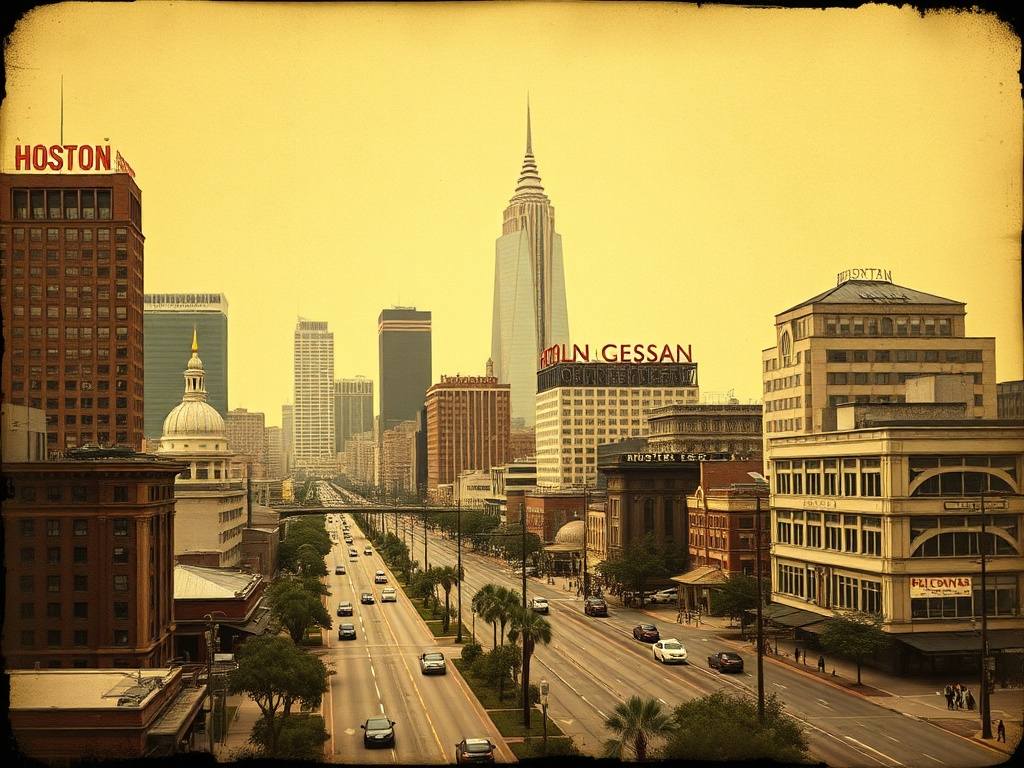
Houston’s Bayou Greenways: Connecting Communities, Cooling Neighborhoods, and Managing Floods
Houston’s green makeover is more than aesthetic: it’s changing how residents move, play, and adapt to a wetter climate.
A sprawling network of parks, trails, and restored bayous is turning concrete corridors into vibrant, walkable places that also absorb stormwater, cool neighborhoods, and connect communities.
Bayou Greenways: city-sized green ribbon
At the center of Houston’s outdoor revival is a growing bayou trail system that stitches together neighborhoods with continuous pathways for walking, running, and cycling.
These greenways follow the city’s natural drainage channels, combining recreation with flood mitigation—wide bioswales, native plantings, and permeable landscapes slow and absorb runoff while offering scenic routes through the city.
Signature parks and access points
– Buffalo Bayou Park: A waterfront centerpiece with winding trails, public art, kayak launches, and iconic skyline views. It’s a hub for fitness classes, guided nature walks, and cultural events.
– Memorial Park: One of the largest urban parks in the country, popular for trail running, golf, and the extensive greenbelt that attracts mountain bikers and birdwatchers.
– Discovery Green: A downtown pocket park that hosts concerts, outdoor markets, and family activities. It’s a great starting point for exploring nearby museums and the Theater District.
– Smaller neighborhood parks and newly restored green spaces provide easy access for people across the city, reducing reliance on car travel and encouraging everyday outdoor activity.
Outdoor recreation for every pace
The network accommodates casual strollers, serious cyclists, and families. Trail surfaces vary, so check local maps before heading out; many routes are paved and bike-friendly, while others offer softer, more natural footing. Kayaking and paddleboarding on calmer stretches of the bayou are popular during warmer months, with rental options and guided tours available near major parks.
Design that doubles as infrastructure
Houston’s approach blends urban design with practical stormwater solutions.
Rain gardens, expanded detention basins, and remeandered stream channels reduce peak flooding and create wildlife habitat. Tree planting initiatives and shade structures make long trail stretches more comfortable and help mitigate urban heat island effects.
Community-driven stewardship
Local nonprofits, conservancies, and neighborhood groups play a big role in maintenance and programming. Volunteer tree plantings, creek cleanups, and educational programs foster a sense of ownership and keep trails welcoming. Many parks now host community events that spotlight local artists, food vendors, and fitness instructors.
Tips for enjoying the greenways
– Timing: Early mornings and evenings offer cooler temperatures and active wildlife viewing.
Weekends can be busy; weekdays are often quieter.
– Essentials: Bring water, sunscreen, and a bike lock.
Some trailheads have restrooms and water fountains, but amenities vary.
– Safety: Stay on marked paths, be mindful of wildlife, and check weather alerts—heavy rain can change trail conditions quickly.
– Etiquette: Share the path, pass on the left, and leash dogs where required. Remove trash and leave natural areas as you found them.
Why it matters
These green corridors are reshaping outdoor life in Houston—promoting healthier habits, improving resilience to extreme weather, and creating new economic and cultural opportunities. Whether you’re exploring a kayak launch, taking a scenic commute, or joining a volunteer planting day, the city’s park network offers accessible ways to connect with nature and neighbors alike.