Houston Travel Guide: Food, Bayous, Museums & Innovation
Houston is a city of contrasts: sprawling energy infrastructure and intimate neighborhood restaurants, humid bayous and high-rise innovation campuses, world-class museums and a famously welcoming, multicultural spirit.
For visitors and residents alike, the city’s momentum feels focused on resilience, reinvention, and a refusal to be defined by a single industry.
Why Houston matters
Houston remains a global energy hub that’s diversifying into renewables, green hydrogen, and carbon-management technologies while keeping a deep skill base in oil and gas. That industrial expertise fuels a growing cluster of startups, research partnerships, and workforce retraining initiatives. At the same time, the city’s medical institutions and life-sciences ecosystem drive a complementary axis of innovation that attracts talent and investment.
Parks, waterways and climate resilience
Houston’s network of bayous and greenways is central to its character and climate strategy. Projects that expand trails, restore wetlands, and increase permeable green space aim to reduce flooding while giving people more access to the outdoors. Signature spots like Buffalo Bayou Park and the connected trail systems offer biking, kayaking, and skyline views, and neighborhood pocket parks make outdoor time easier across the city’s vast footprint.
A world-class cultural mix
Houston’s cultural institutions deliver depth and variety: major museums, a thriving performing-arts scene, and a lively roster of community festivals reflecting the city’s diverse population.
The Museum District, theater companies, and a high-caliber symphony bring international-caliber programming, while smaller galleries and cultural centers showcase local creativity. The nearby space education center remains a unique attraction for families and science enthusiasts.
Culinary diversity and neighborhoods to explore
Food is one of the clearest ways to experience Houston’s diversity. From Vietnamese crawfish boils to authentic Mexican taquerias, from high-end dining to late-night barbecue, the city rewards culinary curiosity. Neighborhoods such as Montrose, Midtown, and the Heights offer walkable clusters of cafes, bars, and independent shops; suburban areas feature family-focused restaurants and new culinary hotspots. Farmers markets and local food halls also make it easier to sample seasonal produce and small-batch vendors.
Getting around and where to stay
Houston’s car-centric layout has prompted steady investment in transit options and bike infrastructure. Ride-sharing, regional rail and expanding trail networks make key parts of the city easier to reach, and accommodations range from luxury downtown hotels near theaters and convention centers to boutique stays in historic neighborhoods.
What to do this weekend (quick picks)
– Paddle or picnic along Buffalo Bayou Park
– Catch a performance or museum exhibit in the downtown cultural district
– Hunt for tacos and pho in diverse neighborhood food corridors
– Bike a segment of the Bayou Greenways trails
– Visit the space education center for interactive exhibits
Practical tips
Carry an umbrella — sudden storms can pop up even on warm days.
If you plan to drive, leave extra time for traffic during peak hours. For outdoor plans, morning and evening are often more comfortable for fresh-air activities.
Houston’s appeal comes from its constant mix of scale and intimacy: big-city amenities paired with neighborhood discoveries.
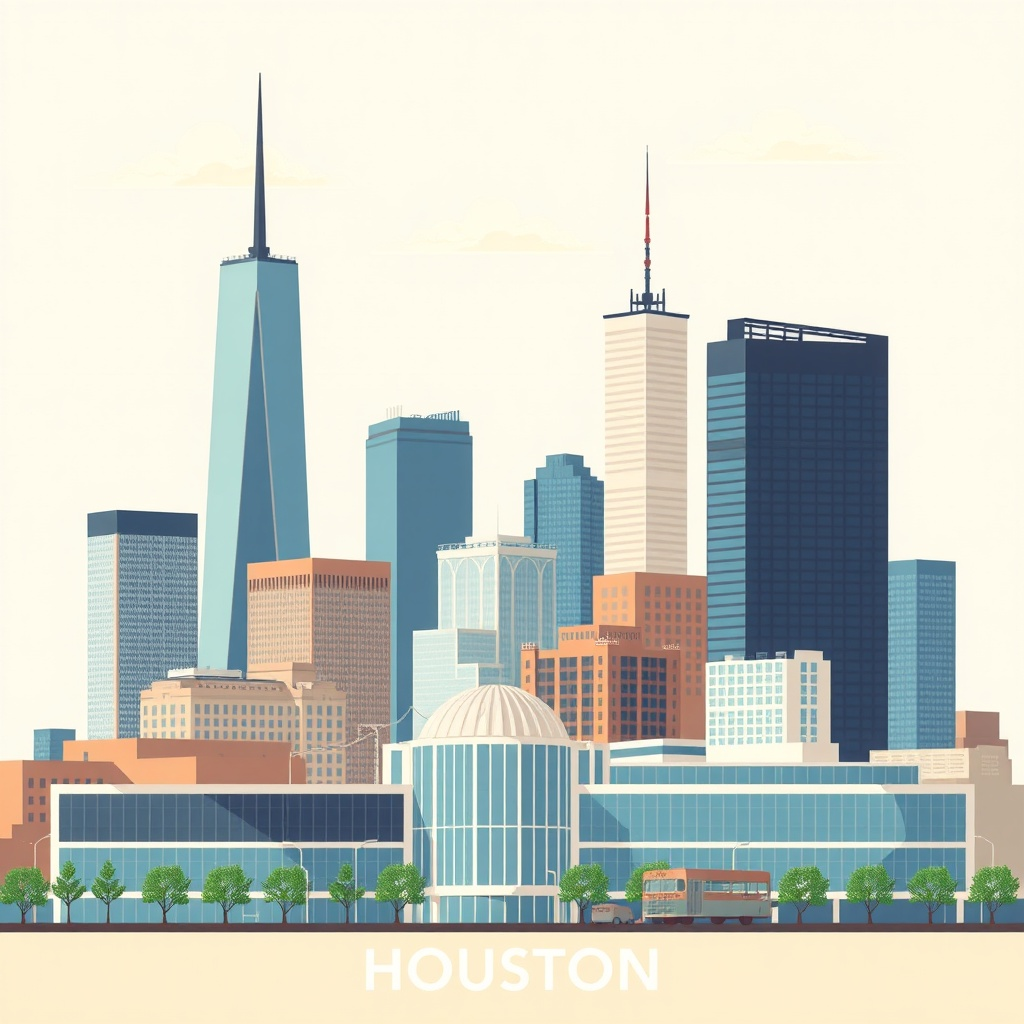
Whether you’re here for the food, the outdoors, the museums, or the innovation ecosystem, the city offers new reasons to return.