Houston Reinvented: Your Guide to Bayous, Neighborhoods, Food & Innovation
Houston is a city of reinvention — a place where energy, culture, and community converge around a sprawling network of bayous, parks, and diverse neighborhoods.
Known for its big-sky sensibility, the city blends a global economy with hyper-local flavor: tech startups and energy innovators sit blocks away from iconic barbecue joints and world-class museums.
An evolving economy
Houston’s economy remains anchored by energy and healthcare, but the story now includes renewables, aerospace, and life sciences. Energy companies are investing in lower-carbon technologies and pilot projects, while medical research centers and hospitals continue to attract top talent. That balance gives the city a resilience that appeals to entrepreneurs, researchers, and companies looking to scale without the weight of coastal constraints.
A cultural crossroads
Cultural life here is expansive and accessible.
Museum District institutions offer rotating exhibitions that draw international artists, while independent galleries and performance venues showcase local voices. The city’s neighborhoods are microcosms of global migration: sprawling Vietnamese markets, authentic Mexican taquerias, West African restaurants, and new-wave food halls reflect a culinary mosaic that rewards exploration.
Food in Houston isn’t just about fine dining; it’s about street food, family-run kitchens, and fusion flavors that keep visitors coming back.
Outdoor life and the bayous
Houston’s signature landscape is less about skyline silhouette and more about green corridors.
The bayou system, paired with an expanding network of parks and trails, offers unexpected urban escapes. Buffalo Bayou Park provides scenic trails, kayak launches, and skyline views; community groups have transformed underused lots into pocket parks and urban farms.
These spaces play a practical role as well, helping manage stormwater and improving neighborhood connectivity.
Neighborhoods worth exploring
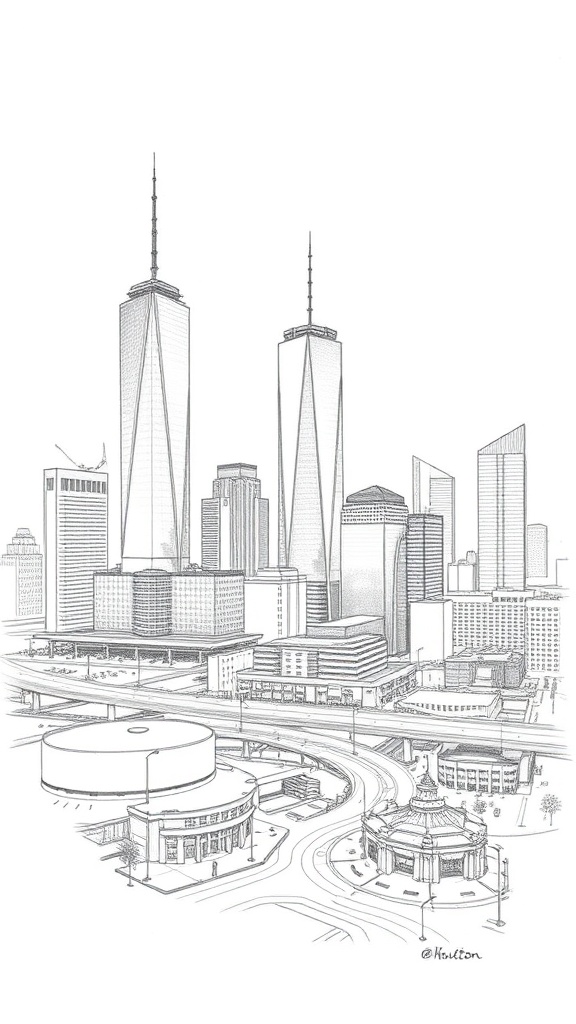
From artist-lined streets to family-friendly enclaves, each neighborhood feels distinct. Historic districts feature bungalow-lined streets and local boutiques; uptown areas host high-rise apartments and curated eateries. Walkability varies, so plan according to interest: museum and park clusters are compact and easy to explore on foot, while food scenes and nightlife often span multiple neighborhoods.
Transportation and accessibility
Transit has been improving with expanded light-rail service and more dedicated bike lanes, but driving remains common. Rideshare and micro-mobility options fill gaps, and planners are increasingly focused on connectivity between job centers and residential areas. For visitors, pairing a car with targeted transit trips is often the most efficient way to see the city.
Climate resilience and planning
Facing frequent heavy rains and storm events, Houston has been doubling down on resilience. Investments in stormwater infrastructure, green roofs, and community-led watershed projects aim to reduce flooding and increase neighborhood durability. These efforts are practical responses to weather extremes and part of a larger push to make development smarter and more sustainable.
Why Houston matters
Houston’s appeal is practical and palpable: career opportunities across sectors, an affordable cost of living relative to other large metros, and an authentic cultural scene that keeps evolving.
It’s a city that rewards curiosity — whether you’re sampling late-night food trucks, paddling a quiet stretch of bayou, or attending a symposium at a research center.
For planners, entrepreneurs, and curious travelers, Houston offers a working model of urban reinvention: big enough to host global industry, nimble enough to foster grassroots culture. Explore a neighborhood, try a new cuisine, or join a community clean-up — it’s a city best discovered by doing.