Houston Neighborhood & Travel Guide: Food, Parks, Arts, and Practical Tips for Visitors and Newcomers
Houston moves with a confidence that blends big-city ambition and neighborhood familiarity. A sprawling metropolis anchored by energy, medicine, and space exploration, the city also stands out for its food culture, arts scene, and evolving green infrastructure.
Whether you’re visiting for business or scouting a place to live, understanding the city’s layers helps you make the most of it.
What defines Houston
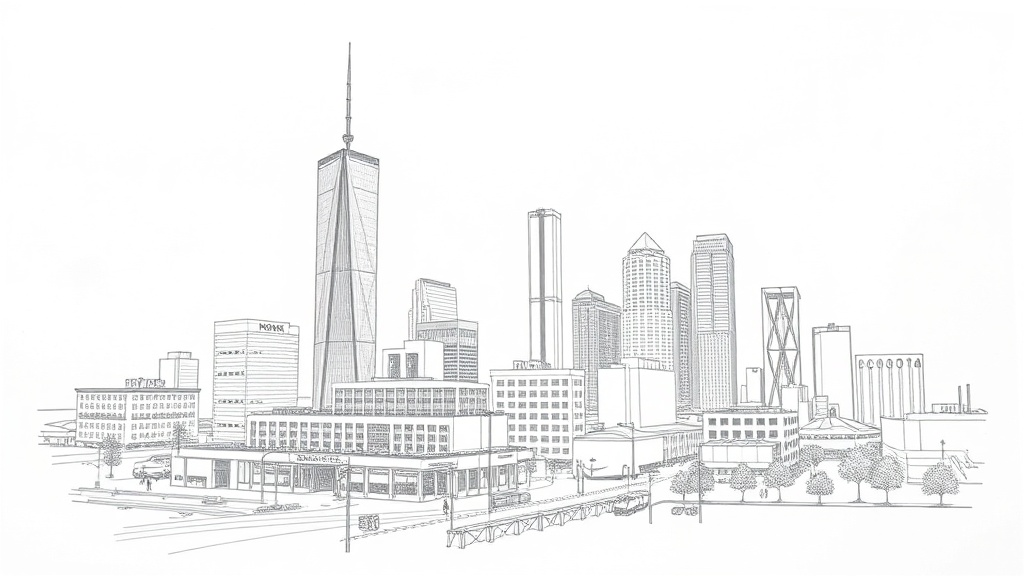
Houston’s economy remains diverse: a global energy hub, a leading medical and research center, and a key port and logistics gateway. This mix fuels steady job growth and attracts talent across industries. At the same time, the city’s cultural richness comes from its international communities—reflected in vibrant neighborhoods and an extraordinary dining scene where Tex-Mex, Vietnamese, Nigerian, and Latin American flavors sit shoulder to shoulder.
Neighborhoods with distinct personalities
– Montrose: Eclectic and artsy, Montrose offers galleries, vintage shops, and late-night eateries. It’s a magnet for creative types and nightlife.
– The Heights: Tree-lined streets, independent boutiques, and bungalow architecture give this area a neighborhood feel with walkable shopping corridors.
– Museum District and Rice Village: Ideal for culture lovers, with museums, green spaces, and a concentrated stretch of cafés and shops.
– EaDo and Midtown: Emerging hubs for music, sports fans, and nightlife, with new restaurants and craft breweries popping up regularly.
Outdoor life and resilience
Houston’s bayous and parks are central to everyday life.
Buffalo Bayou and the Bayou Greenways provide miles of trails for biking, running, and paddling, while parks like Hermann Park and Discovery Green host festivals and outdoor fitness classes. The city also continues to invest in flood mitigation and green infrastructure—projects that layer parks, detention basins, and restored wetlands into urban planning to reduce flood risk and improve public space.
Food and drink scene
Food in Houston is an experience: food trucks line up next to fine dining establishments, barbecue joints draw long lines, and pho shops and taquerias compete for the title of local favorite. Don’t miss the diverse offerings of specialty markets and neighborhood gatherings that showcase the city’s culinary diversity.
Craft breweries and cocktail bars have expanded options for nightlife, often pairing inventive drinks with chef-driven small plates.
Arts, culture, and festivals
Houston’s arts institutions are robust, from world-class museums to a thriving theater scene. The city’s annual cultural festivals—neighborhood-driven and citywide—offer a chance to sample music, food, and performances rooted in local communities.
Public art, murals, and performance venues give the city texture beyond traditional museum spaces.
Getting around
Traffic can be heavy during commute hours, but Houston’s grid and freeway network make most areas accessible by car. Public transit options include light rail and an expanding bus network; micro-mobility options like bike-share and scooters help with short trips.
Many locals combine driving with transit for optimal flexibility.
Practical tips for visitors and newcomers
– Plan around heat and humidity: carry water, wear sun protection, and time outdoor activities for mornings or evenings.
– Explore by neighborhood: pick two areas per day to avoid long drives and to soak up local flavor.
– Use apps for reservations and local event listings—popular spots fill up quickly, especially on weekends.
– Check weather and flood advisories before traveling to low-lying outdoor destinations during storm-prone periods.
Houston rewards curiosity. The city’s scale means there’s always a new restaurant to try, a park trail to explore, or a neighborhood story to uncover—making it a place that’s both practical for work and endlessly interesting to experience.