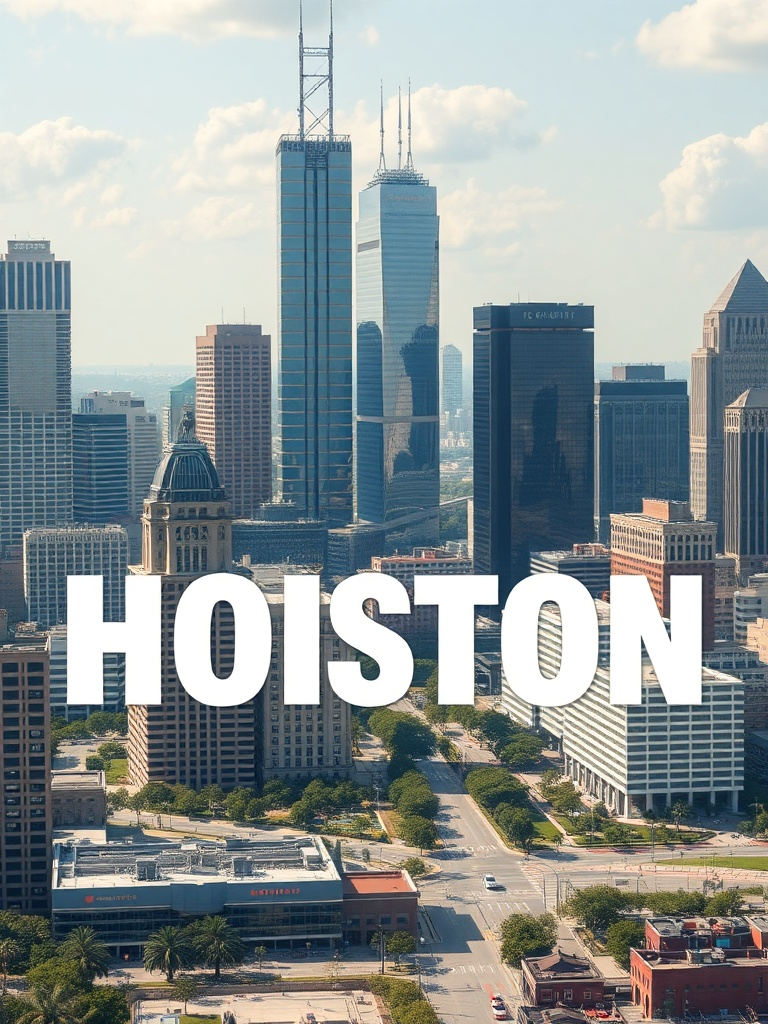
Houston Food Guide: Walkable Neighborhoods, Green Spaces, and Must-Try Eats
Houston wears many faces at once: a sprawling metropolis rooted in energy and space exploration, a multicultural culinary capital, and a city growing greener and more walkable. For visitors and locals who want to experience Houston beyond the skyline, the best approach is to follow the food, then wander the neighborhoods that feed both appetite and curiosity.
A taste of global Houston
Houston’s dining scene is one of its strongest draws. With large immigrant communities, the city delivers authentic flavors from around the world alongside inventive takes on Texan classics.
Must-try categories include:
– Tex-Mex and barbecue: Hearty, smoky, and regional — the city’s barbecue joints and Tex-Mex spots are a pilgrimage for lovers of slow-cooked meats and loaded fajitas.
– Vietnamese and Southeast Asian: From pho to Banh Mi and regional specialties, diverse neighborhoods offer authentic family-run restaurants and bustling Vietnamese bakeries.
– Seafood and Gulf flavors: Fresh shrimp, oysters, and Creole influences appear across menus, from casual seafood shacks to elevated coastal dining.
– Innovative fusion: Chefs blend global techniques with local ingredients, creating exciting tasting menus and small-plate scenes in neighborhoods that double as nightlife hubs.
Neighborhoods that reward exploration
– The Museum District offers art, culture, and nearby green spaces—an ideal pairing for a daytime itinerary that ends with a local café or bistro.
– Montrose and the Heights are known for eclectic shops, progressive culinary concepts, and a lively brunch culture.
– Chinatown and adjacent Asian corridors concentrate numerous affordable, authentic dining options, open late and ideal for adventurous eaters.
– EaDo and Midtown meld sports, live music, and new dining concepts that reflect Houston’s evolving urban fabric.
Green corridors and outdoor life
Urban parks and waterways are central to Houston’s quality of life. Buffalo Bayou Park runs near downtown with trails, public art, and skyline views. Smaller pocket parks, community gardens, and riverside trails make it easy to combine a food-focused outing with outdoor activity.
Many neighborhoods have improved pedestrian and bike infrastructure, helping visitors move between restaurants, galleries, and parks without relying solely on a car.
Practical tips for a better visit
– Transportation: The city remains car-friendly, but light rail lines, rideshares, and bike options make neighborhood-hopping simpler. Plan around event schedules when visiting downtown or major venues.
– Timing: Weekdays and weekday mornings are the best windows for quieter museum visits and easier restaurant seating. Weekends bring food festivals, farmers markets, and late-night energy.
– Reservations and walk-ins: Popular spots can fill quickly. Book ahead for known restaurants, but allow time to discover walk-in gems — Houston’s best finds are often unassuming and family-owned.
– Weather-ready plans: Many venues offer indoor and covered outdoor seating, so keep an adaptable itinerary to enjoy both dining and sight-seeing regardless of sudden weather changes.
Why Houston keeps surprising
The city’s strengths come from its scale and diversity: endless neighborhoods to discover, a culinary scene that rewards curiosity, and public spaces that invite lingering. Whether you’re sampling a new fusion plate, exploring a museum collection, or paddling along a bayou trail, Houston continually balances big-city energy with approachable local culture. Pack comfortable shoes, an appetite for variety, and a willingness to wander — the city rewards both.