Houston Bayou Greenways: A Complete Guide to Parks, Trails, Kayaking, and Flood Resilience
Houston’s bayous and parks are quietly reshaping how the city moves, plays, and prepares for storms. What began as a series of local restoration projects has become a citywide push to reconnect neighborhoods, reduce flood risk, and expand access to green space — turning concrete corridors into vibrant trails, wildlife habitat, and recreational hubs.
Why the bayous matter
Houston’s network of bayous is as much infrastructure as it is scenery. These waterways carry stormwater, provide wildlife corridors, and anchor some of the city’s most cherished parks. Efforts to build continuous greenways along major bayous aim to slow and store floodwater naturally, while giving residents safe, shaded places to walk, bike, kayak, and gather. That dual role — recreation plus resilience — is what makes Houston’s greenway movement both practical and popular.
Where to go
– Buffalo Bayou Park: A central destination featuring winding trails, public art, dog off-leash areas, and kayak launch points.
Notable features include large open lawns and the adaptive reuse of historic infrastructure for culture and education.
– Memorial Park: One of the largest urban parks in the region, offering miles of running and mountain biking trails, an active sports scene, and forested sections that feel a world away from the nearby developments.
– Brays Bayou Greenway and Sims Bayou corridors: These spaces connect residential neighborhoods to parks and schools while improving stormwater capacity and habitat quality.
– Smaller neighborhood greenways and pocket parks: Scattered across the city, these provide everyday access to nature and help form complete walking and cycling networks.
Community and health benefits
Greenways increase opportunities for active transportation. Residents can commute by bike or e-scooter along protected paths, or walk to transit nodes and local businesses. Regular access to parks is linked to lower stress, better cardiovascular health, and stronger social ties — outcomes that matter in neighborhoods with limited recreational resources.
Environmental and economic impacts
Restored riparian buffers and native plantings improve water quality and support pollinators, birds, and small mammals. Trees and permeable landscapes reduce urban heat and lower energy use. Property values near well-maintained greenways often see positive effects, and local businesses benefit from increased foot traffic, events, and a stronger sense of place.
Practical tips for visitors
– Check trail maps and access points before you go; some sections are multi-use and require yield etiquette (cyclists yield to pedestrians).
– Bring refillable water, sun protection, and proper footwear — shade can vary along stretches of trail.
– If kayaking, review launch site details and current water conditions; bayou levels rise quickly after heavy rain.
– Respect wildlife and new restoration zones: stay on trails and leave plants and nests undisturbed.
Getting involved
Local conservancies and volunteer groups regularly organize cleanups, tree plantings, and citizen-science events. Supporting these efforts through volunteer time, donations, or advocacy helps expand green space equitably across the city.
Houston’s greenways are a practical, people-centered response to growth and climate challenges.
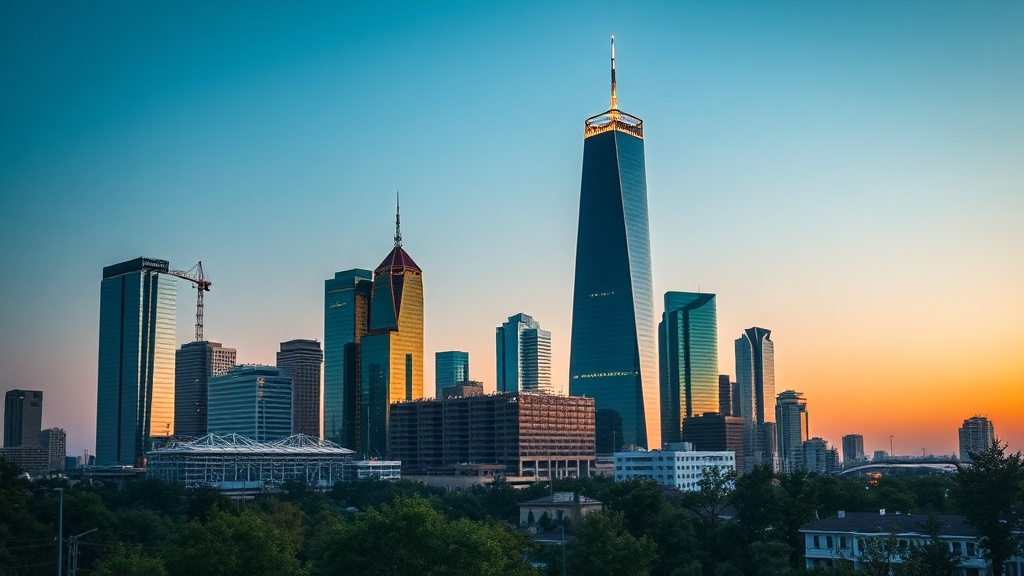
For anyone looking to explore the city beyond its skyline, these connected bayou corridors offer a fresh, active way to experience Houston — one trail, park bench, and kayak launch at a time.